What is Past the Racket?

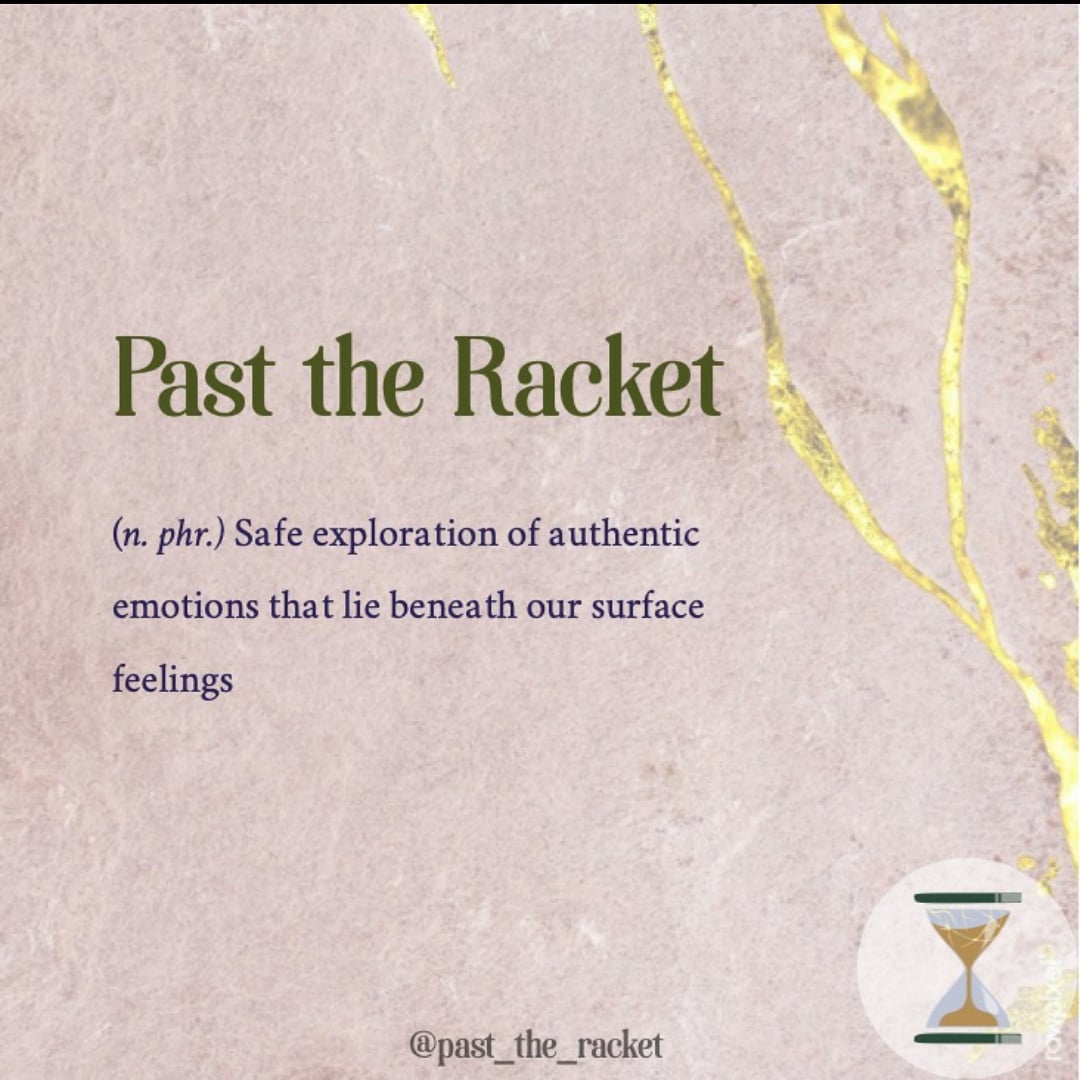
Racket refers to the socially acceptable feelings that we use as substitutes to our genuine emotions. Past the Racket refers to the safe exploration of authentic emotions that lie beneath the surface feelings. This process takes place through therapy.

Therapy functions on the principle of Kintsukoroi or Kintsugi, a Japanese practice of repairing broken objects using gold or silver. This way, even the cracks become a part of the object’s history, and it isn’t broken any longer. Rather than seeing the client as someone who’s broken, therapy views them as someone who wants to rearrange their life or self. All the different pieces of the client’s life are gathered and put together – perhaps differently from how they were earlier – but just the way the client accepts and wants for themselves.
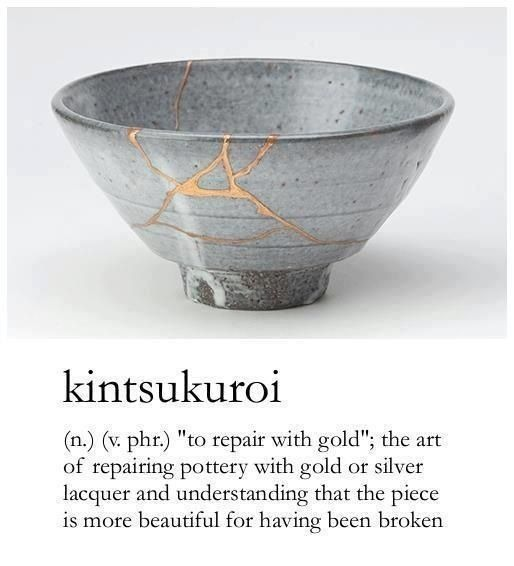
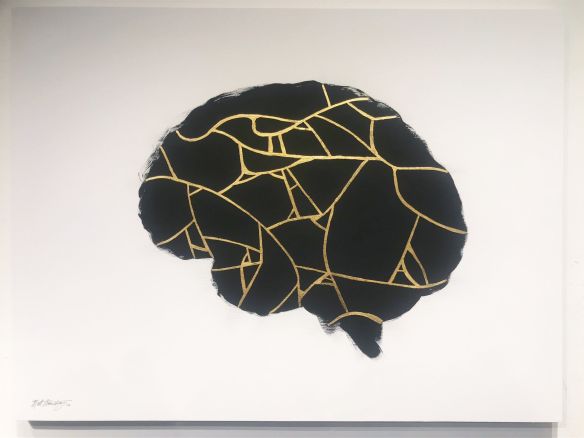
The gold is symbolic of the powerful healing nature of a strong therapeutic alliance, which is the relationship between a client and the therapist. In therapy, the lens from which one views their life is altered. Thus, they go from being a victim of their circumstances, to seeing how the impact of their past fits into the context of where they are headed. This takes a collaborative effort – where the therapist helps the client to examine the different pieces of their past and the meaning attached to them, in the context of their identity, emotional well-being and relationships. 

The ultimate goal of therapy is to take ownership for one’s actions and to be accountable for them. When the cracks have been filled with gold, the object and person can now withstand more than they could earlier because of the added strength of the gold. The person emerges stronger and better than before, and THAT is the power of healing. 

This article has been written by Nandita Seshadri, Therapist.

Pressing Pause

Confession: I’m a sucker for silver linings. At the start of the COVID-19 lockdown, I first thought: ‘Yay! Work from home, means I can finally focus more time on creating content, catching up with documentation, write for work, write for me, do some journaling, colouring, clean my cupboard and so on.’ The next minute, I realised that while I was excited about getting this time to pause and reflect, I had taken it away by filling it with tasks, plus high expectations of making this time productive. 

As someone who primarily works remotely, this is a fear that I’ve been managing for a while – how do I justify me-time when I work with emotions, thoughts and behaviours? Where’s the line that this processing is for personal work vs. professional growth? Like most of us, I tend to look at all my actions from a capitalist lens – is this self-work going to pay off at work? How can I be a better professional and contribute to my clients?

Now, with a lot of us sharing the privilege of working from home, we have been tempted to turn all our time productive. We might have seen our down-time as slacking off. My silver lining is this: Collectively, we have leaned on each other in ways that we haven’t had to before. Amidst all the fear and frustration, I’m hoping to pause, step back and reflect on what I want and how I feel. I’m allowing myself to feel all my feelings and release them, because amidst this collective loss of control, I feel a spark of hope – to be, instead of become or do. So yes, I intend to feel more and write it down – and maybe some of it will be useful to publish later. But I hope that we’ll keep doing lots of things that mean almost nothing at all in the long run, and feel good about the moments we spend “just being”. 

This article has been written by Nandita Seshadri, Therapist.

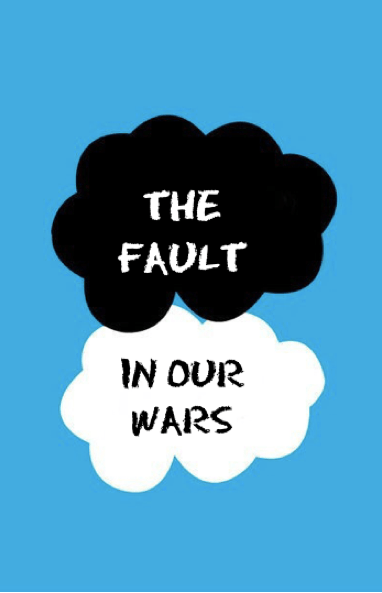
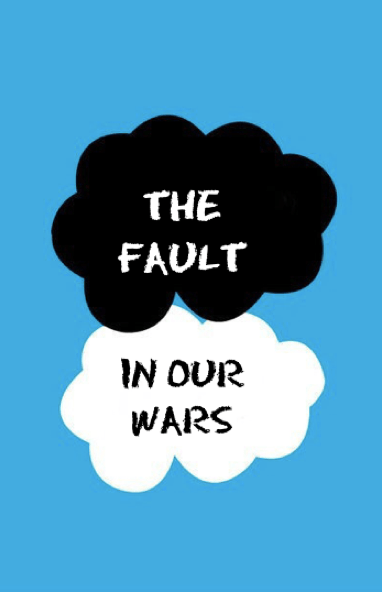
The Fault in Our Wars

In the past few months, we’ve read and heard of the fight against COVID19, the war that has just begun, the battles that we’ve won and the losses that we’ve sustained. We’ve seen people create incredible art, music, show commitment and dedication towards keeping spirits up, and also read about how we don’t have to pressure ourselves to achieve our full potential during this time. 

With all these conflicting messages, our minds are in collective turmoil. Each day might be a challenge. Whether or not we admit it, we aren’t sure what we believe in, or how much we can manage. 

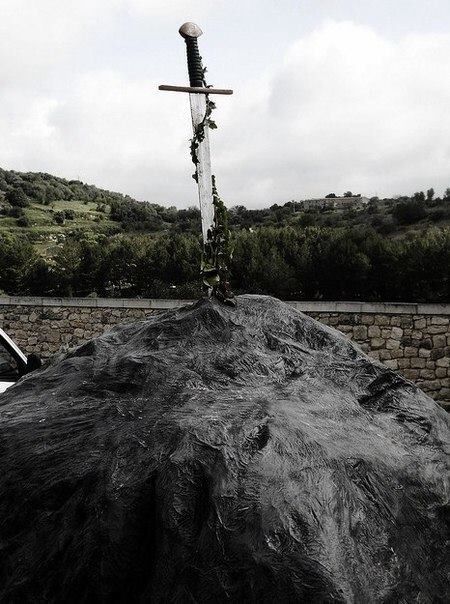
The truth is, both of these apply. When the stressor is short, and time-bound, we might perform really well. Our current one isn’t (yet). We are operating from survival mode, but expecting to perform as though we are at our best. In doing so, we are overlooking the feelings of uncertainty, loss of safety, and vulnerability – which are reinforced by the language used to describe COVID19. At war, people might emerge heroes and they may fail – both can happen. It depends on what we focus on. 

Staying at home, resting or creating art – these don’t make us heroes. We are doing what we need to right now. We don’t need to become heroes during this time, because this isn’t a war. This is a crisis, not a siege. We can be ordinary people who are figuring out how we can manage our emotions, thoughts and actions while facing the unknown. There’ll be mistakes and muddles, calm and chaos, peace and joy – and they’re all okay. If we unburdened ourselves of the heroic expectations, and focused on being who we are, what would that entail? Being messy? Discovering our demons? Unpeeling our anxieties? Hope and resilience tucked away deep within? To be vulnerable is to be human, while exploring this vulnerability can lead us somewhere we haven’t been yet. Isn’t that an adventure to look forward to? 

This article has been written by Nandita Seshadri, Therapist.